
Harvesting More Than Fruit: Fighting Food Waste and Strengthening Communities Through City Fruit
An Overview of my Internship From Harvesting to Giving
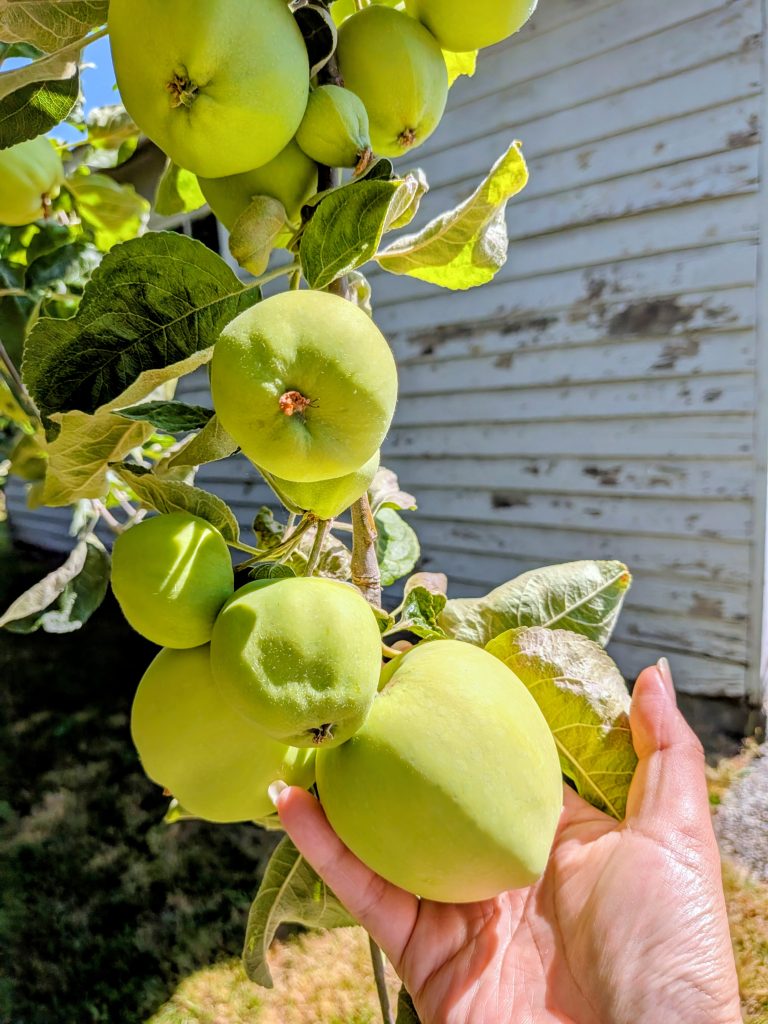
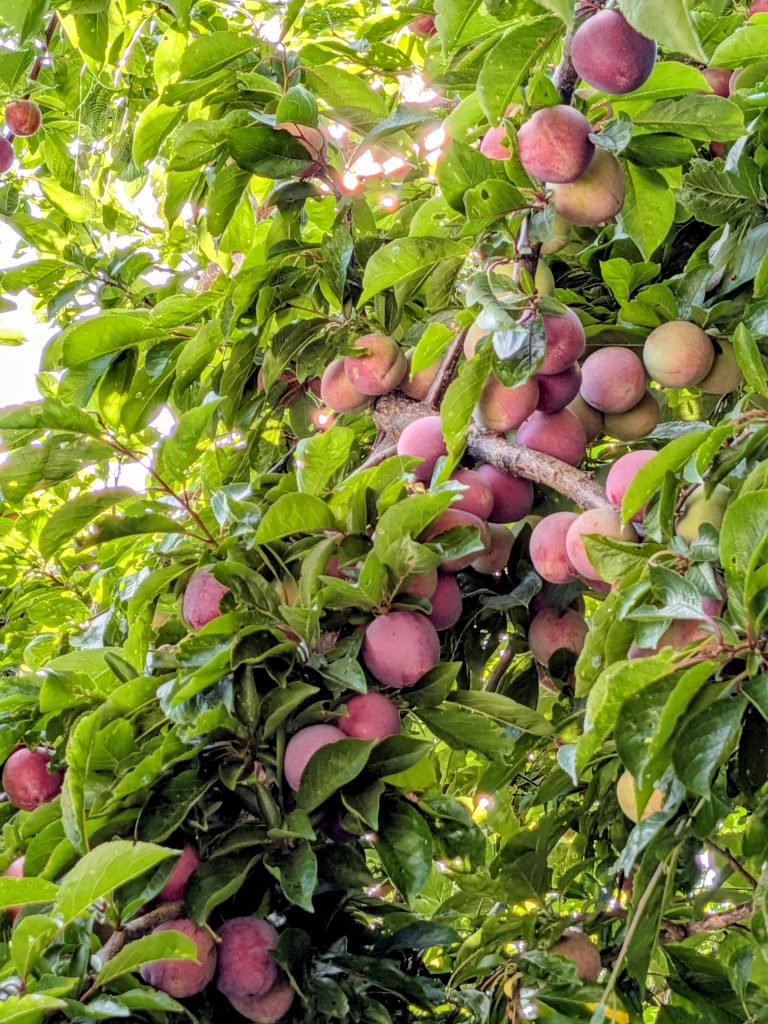
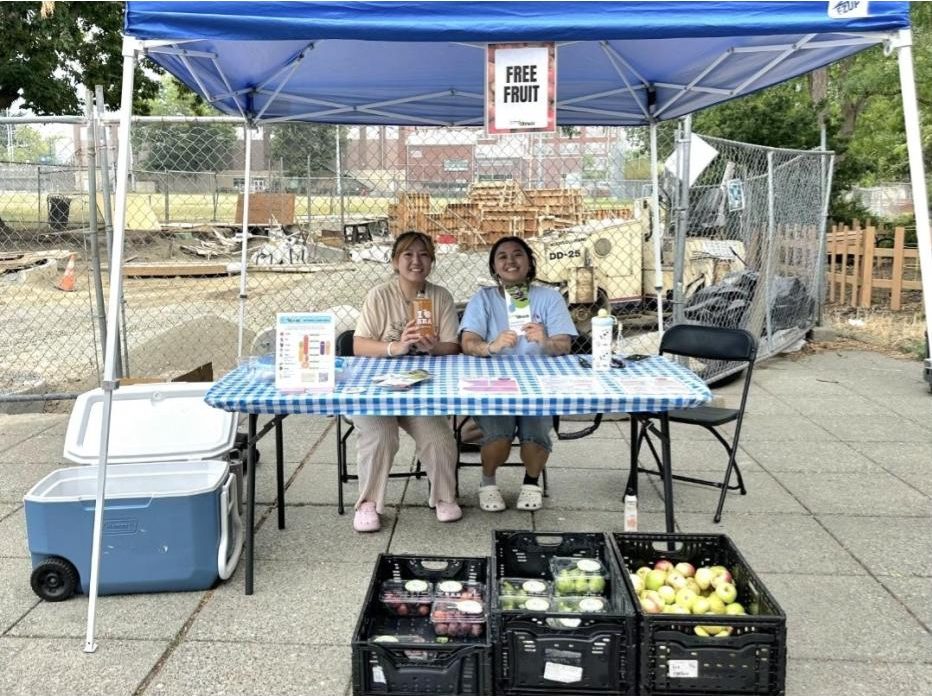
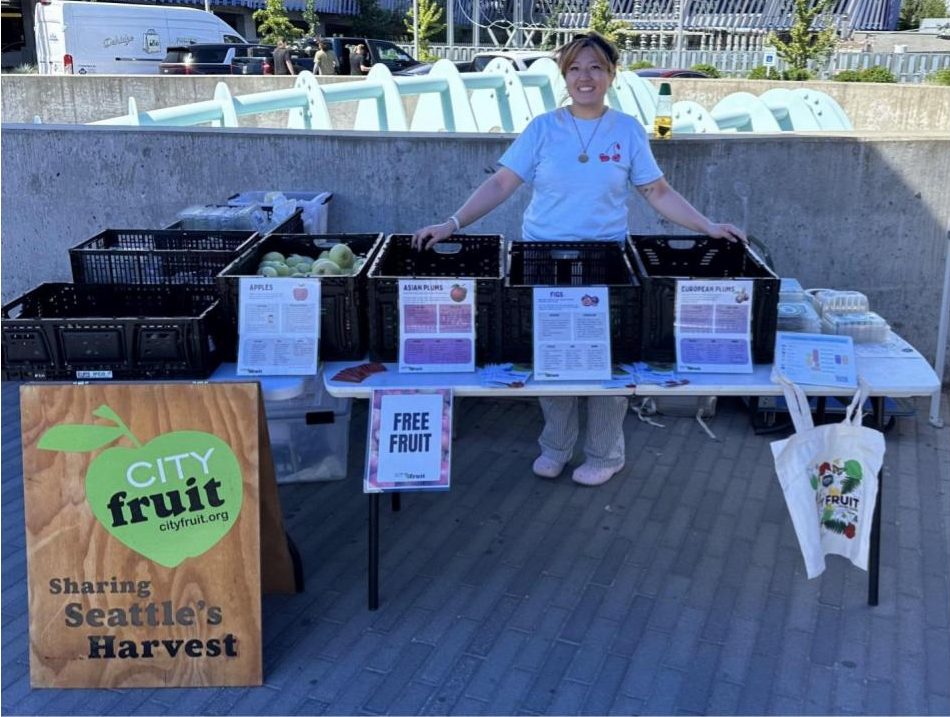
Hello everyone, this is Clover’s blog post, and my internship is with City Fruit. They are a Seattle-based nonprofit organization that works to reduce food waste and food insecurity by harvesting fruit from residential fruit trees and redistributing it to the community. Much of Seattle’s urban development was built on former orchard land, and many homeowners inherit mature apple, plum, or other fruit trees when they purchase a home. Because many residents do not have the time or ability to harvest the fruit themselves, and often feel guilty seeing edible food go to waste, they can contact City Fruit for assistance. The organization harvests fruit from residential backyards and donates it to local food banks and community partners. City Fruit also operates Fruit-For-All farmstands, where harvested fruit is distributed free of charge at community events and farmers market-style gatherings throughout the Seattle area. In addition to harvesting, the organization provides tree-care services, including consultations, pruning guidance, and netting fruit trees to protect them from pests and insects.
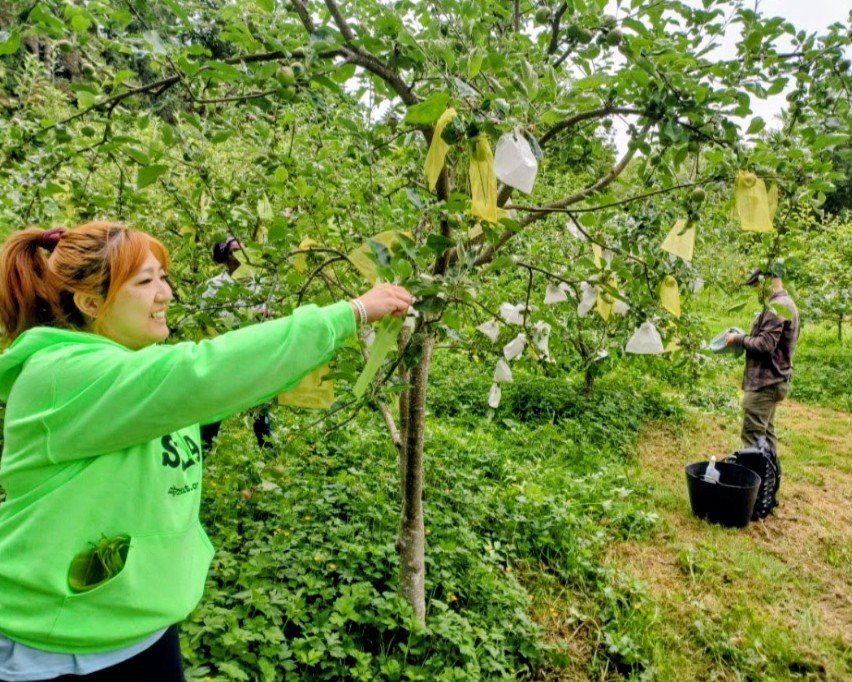
I intern with City Fruit Monday through Thursday from 9:30 a.m. to 4:00 p.m. My responsibilities vary depending on the season and organizational needs. During my first week, there was not much fruit available for harvest, so I assisted staff with netting apple trees to protect the fruit from insects and other pests. As more fruit became available, I helped harvest a variety of plums, apples, figs, and even loquats. One memorable experience was harvesting loquats in Seattle’s International District, which the staff told us was the organization’s first loquat harvest. I also help deliver harvested fruit to food banks, partner organizations, and low-income housing communities, where the produce is made freely available to residents. Some weeks, my schedule shifts later in the day to support Fruit-For-All events, which are often held alongside community markets and other neighborhood gatherings.
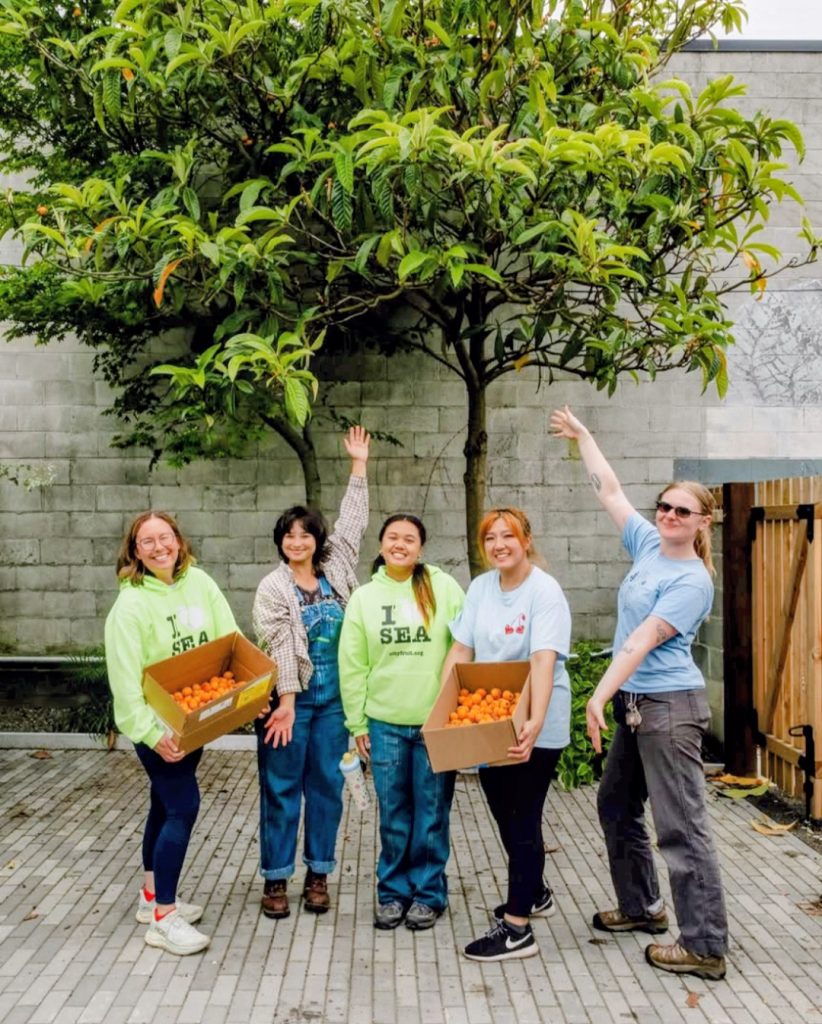
Seattle’s Urban Development over Fruit Orchards
One of the most interesting things I have learned through this internship is how Seattle’s agricultural history continues to influence the city today. Many residential neighborhoods were built on what were once orchards, and it is surprisingly common to find homes with multiple fruit trees still growing on the property. Some homeowners have shared stories about trying unsuccessfully to remove old fruit trees, only to have them continue growing back. We have even visited properties with ten to twenty plum trees, demonstrating how extensive these former orchards once were.
Another aspect of the internship that I have enjoyed is learning about the many organizations working to support Seattle communities. Through City Fruit, I have visited organizations such as the Jubilee Women’s Center, which helps women rebuild stability and independence in their lives. I have also been introduced to several public urban food-growing spaces, including the Rainier Beach Wetlands and the Beacon Food Forest. These community spaces allow residents to harvest food and herbs for personal use. During my visit to the Beacon Food Forest, I was able to pick fresh rosemary and mint to use for cooking. Attending Fruit-For-All events also introduced me to the African Community Housing and Development (ACHD) organization and the work they do at the SeaTac Farmers Market. One practice I found especially inspiring is that ACHD purchases unsold produce from vendors near the end of the market and distributes it to community members free of charge. Through these experiences, I have witnessed the generosity and collaboration that exist among organizations working to address food insecurity throughout Seattle.
If Only There Were More Than 24 Hours in a Day
The biggest challenge I have faced during the past six weeks has not been the internship itself, but rather managing my time. In addition to my internship, I am balancing two part-time jobs and two summer classes. Juggling these responsibilities has required strong organization and planning skills. To stay on top of my commitments, I have become more intentional about scheduling my time, prioritizing tasks, and maintaining a consistent routine. While this balancing act has been demanding, it has helped me strengthen my time-management abilities and taught me the importance of being disciplined with my schedule.
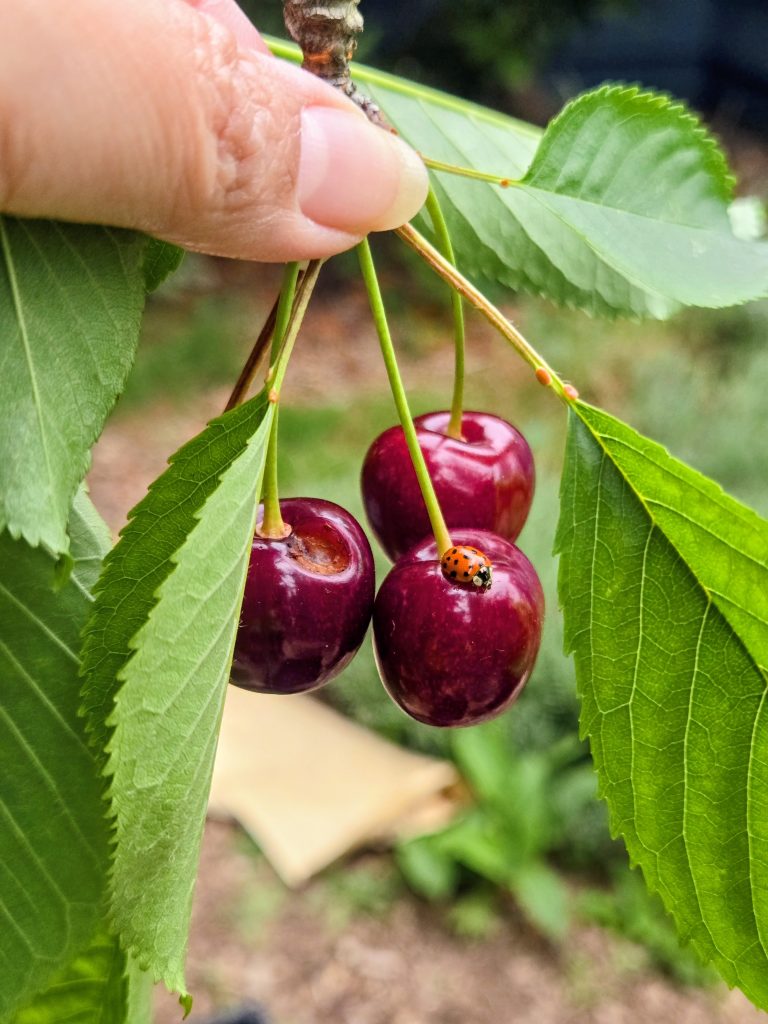
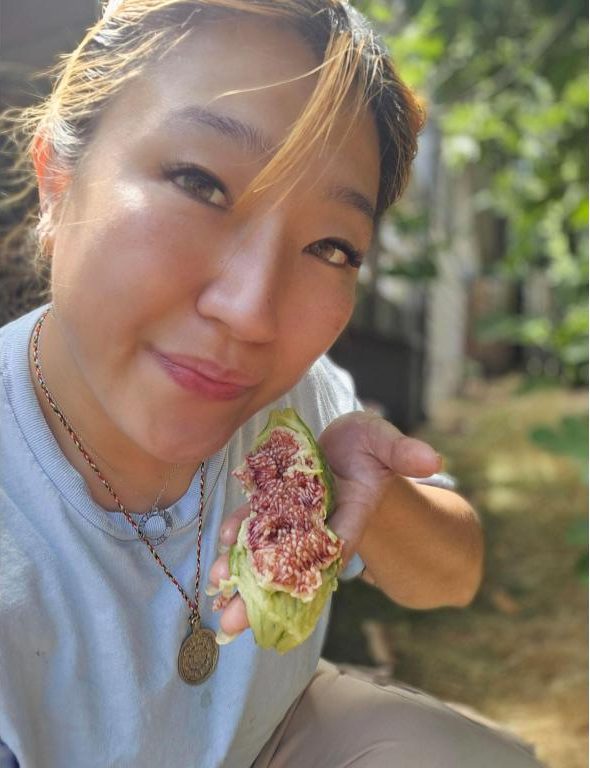
Most of the challenges I have encountered during the internship itself have been relatively minor and manageable. Some harvest days are physically demanding due to hot weather conditions. Other times, homeowners schedule harvest appointments before their fruit is fully ripe, making it impossible to complete a successful harvest. After discussing this issue with City Fruit staff, I learned that the organization provides educational resources explaining how homeowners can determine when fruit is ready, although many people do not review these materials before scheduling appointments. Another challenge is accepting that not all fruit can be harvested. Some trees are too tall, while others produce more fruit than volunteers can reasonably collect. In some cases, a significant portion of the fruit has already fallen to the ground before a harvest can be scheduled. I also learned that tasks such as netting apple trees are much more difficult than they initially appear. One unexpected challenge occurred while harvesting figs, when I discovered that I am allergic to the sap they produce. After developing rashes on my arms, I adjusted by wearing long sleeves during future fig harvests and have not experienced any further issues.
Revamping my UW Capstone Research Question During Week 6 of my Internship
In addition to my internship responsibilities, I am conducting research for my Capstone project. During my second week at City Fruit, I learned from staff conversations that the organization’s Fruit-For-All events had lower participation than expected during the previous year. This information was concerning because my original Capstone proposal was heavily focused on these events. My initial research question sought to examine how recipients perceived the impact of City Fruit’s free fruit distributions on their nutritional diets. However, after attending several Fruit-For-All events and conducting a literature review, I realized that many event attendees were unfamiliar with City Fruit and its services.
This observation led me to rethink my research focus. Many scholars studying food insecurity emphasize that people often lack awareness of programs and organizations that could help meet their food needs. As a result, I refined my Capstone project to focus on the question: What barriers prevent food-insecure Seattle residents from accessing free food distribution programs like City Fruit? My research now examines several potential barriers, including transportation and location challenges, limited exposure to food assistance programs, and a lack of awareness about free food events and resources. This revised direction aligns more closely with what I have observed during my internship and may provide insights that can help organizations improve community outreach and accessibility.
Lessons that Will Last a Lifetime
They say that if you love what you do, you will never work a day in your life. And that is how I feel when I intern with City Fruit. My experience with City Fruit has been both rewarding and educational. Through this internship, I have gained a deeper understanding of the challenges surrounding food waste and food insecurity, as well as the important role that community-based organizations play in addressing these issues. Working alongside the City Fruit team has given me the opportunity to learn from dedicated individuals who are passionate about improving access to healthy food and supporting local communities.
I am grateful for the opportunity to contribute to City Fruit’s mission and to witness firsthand the collaboration, generosity, and hard work that make their programs successful. This experience has expanded my knowledge of community engagement, urban food systems, and the many ways organizations and individuals can make a positive difference in the lives of others. Most importantly, it has shown me that addressing community needs is a collective effort, and that everyone has the ability to help create stronger, healthier, and more connected communities. I will carry the lessons I have learned from the City Fruit team forward in both my academic and professional journey.